

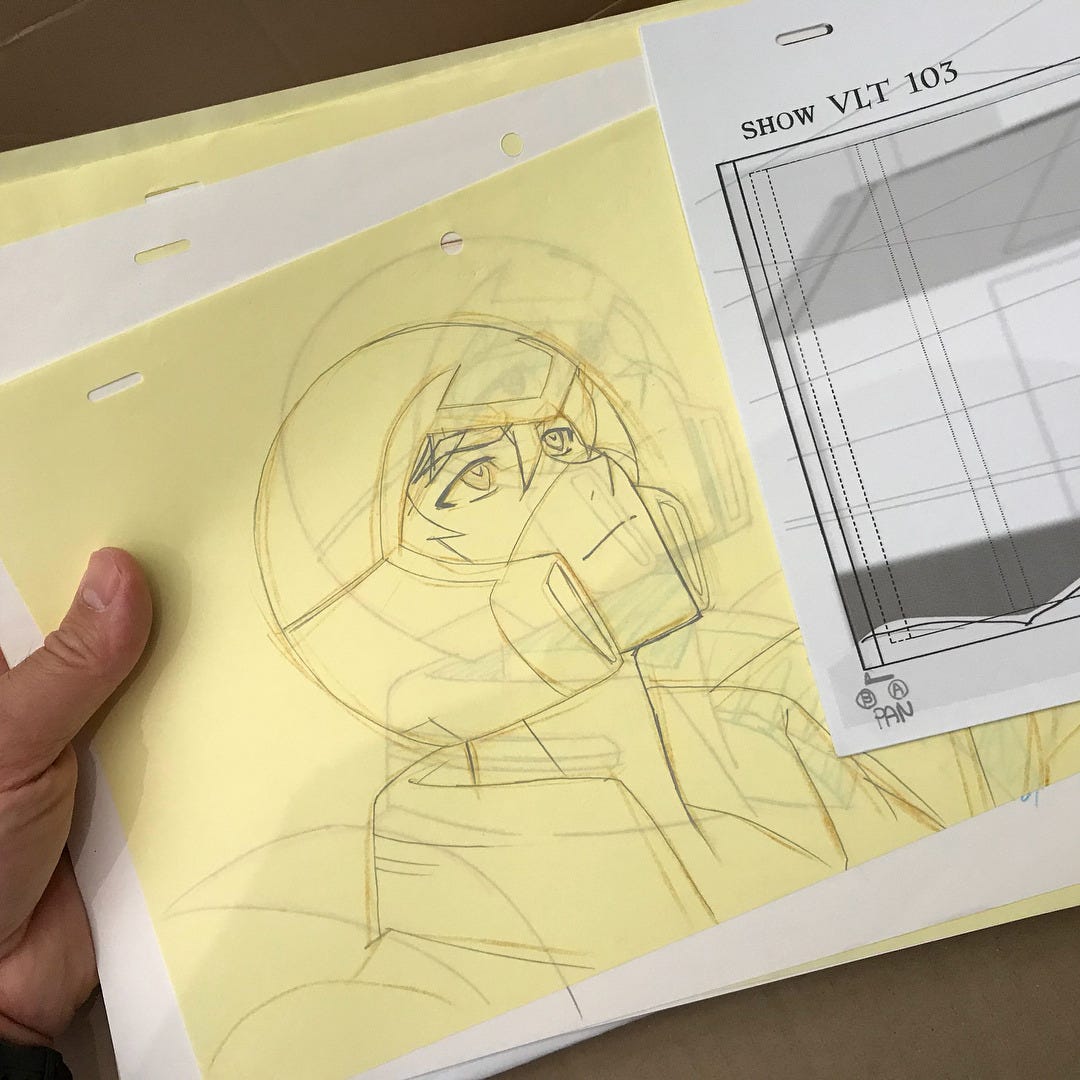
There is no doubt that evolving technology continues to shape the animation industry. I write about it every week! But that’s not the only factor changing the way we make cartoons. It’s called show business after all and in animation, the economic forces reshaping the medium are most apparent when it comes to outsourced production.
I believe the same dynamics that drove animation productions overseas will naturally push studios toward AI.
As a Canadian working in animation, I’ve been on both sides of this as the “outsourcer” and the “outsourcee”. I’ve worked with fantastic artists in the Philippines and Malaysia contributing to North American productions, and I’ve served American clients as the outsourced labour myself. Being smack dab in the middle makes it clear that outsourcing to an algorithm looks like it could be the next step on a path that started nearly 70 years ago with a certain moose and a squirrel.
So, let’s look back at how outsourcing shaped animation and why those same economics are now steering studios toward AI. A quick heads up – I’ll be looking at this mainly from the American perspective since they tend to be a primary driver of the industry as a whole, but outsourcing happens all over the globe.
The Beginnings of Outsource Animation
Outsourcing in animation was born out of the needs of a new medium: television. Theatrical distribution let studios spend time and resources on each project (Warner Bros. released only 30-40 six-minute Looney Tunes shorts a year in the 1940s; Disney features take years to produce), but TV needed a far higher volume to feed daily programming.
Early TV re-aired some theatrical cartoons including Popeye and Mickey Mouse, but a sustainable model for weekly original animation just didn’t exist.
When Jay Ward Productions set up Rocky and Bullwinkle in the late 1950s, the only way they could make it work was to get a sponsorship deal with General Mills and to produce the series on an absolutely minuscule budget. The team kept writing, design, voice acting, and storyboards in the U.S., and sent animation and background painting to lower-wage crews in Mexico at Val-Mar Productions (Later Gamma), owned by millionaire contractor Gustavo Valdéz.
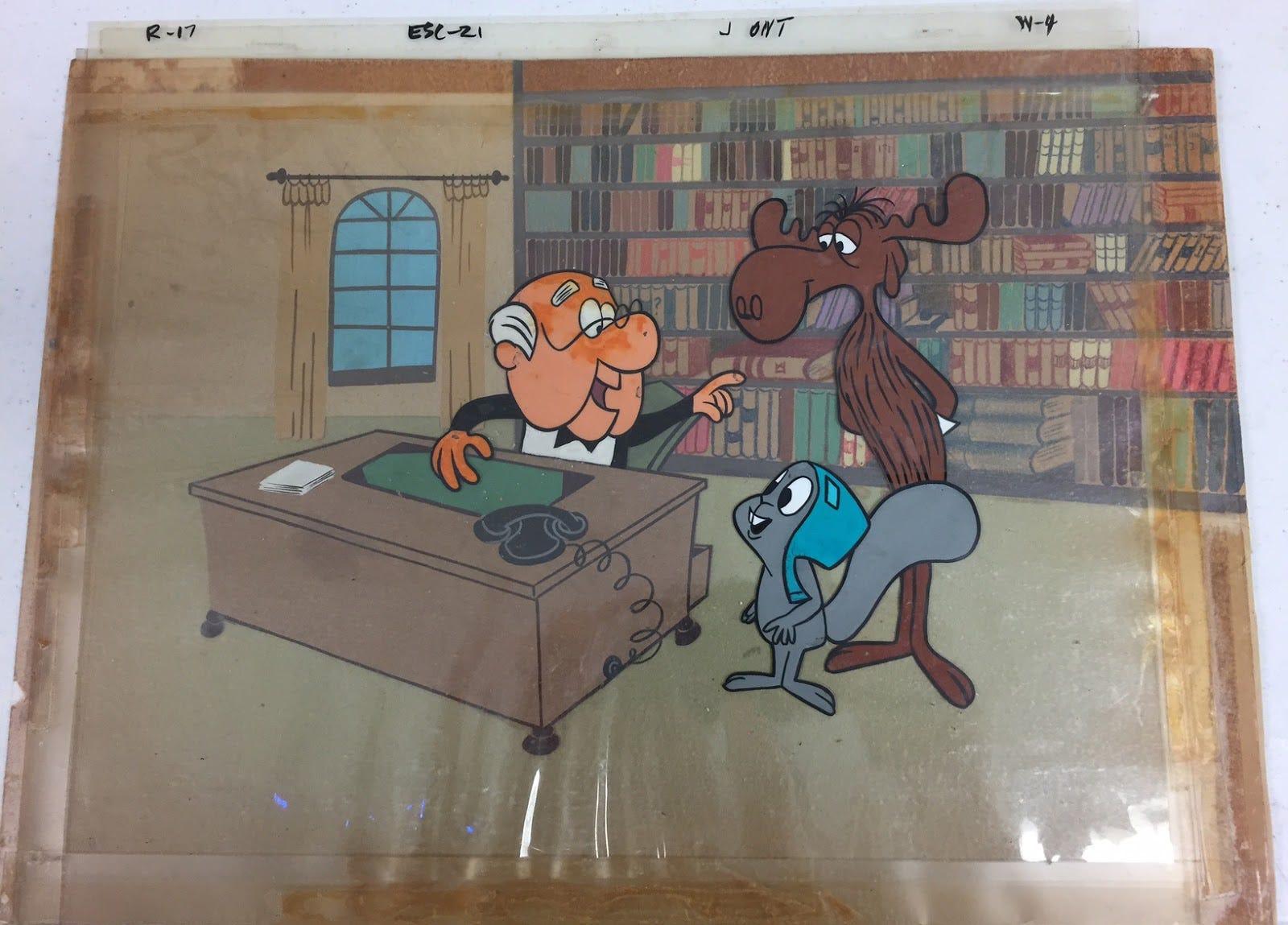
The inexperienced Mexican crew produced some famously wonky animation in the early days, but as rocky as that Bullwinkle series was to produce, it would serve as a template for future TV productions. Total Television followed suit by sending Underdog to Mexico, and Rankin/Bass (of Rudolph and Frosty fame) used Japanese talent for both stop-motion and cel animation.

TV powerhouse Hanna-Barbera initially kept much of its production in-house with their limited animation techniques, but economics eventually pushed them overseas too, and they ultimately established a satellite studio, Wang Film Productions, in Taiwan.
By the 80s and 90s, South Korea became the go-to location for outsource, with studios like AKOM and Rough Draft Korea servicing everything from Teenage Mutant Ninja Turtles to The Simpsons. In fact, Korea became so synonymous with television animation that The Simpsons famously spoofed the production technique in their episode Itchy & Scratchy: The Movie.
Beyond animation, ink & paint was another early process to be shipped overseas. I’ve previously written in more depth about that department and its parallels to AI; you can read all about it here.
Creating The Japanese Animation Boom
In addition to saving money for American studios, outsourcing also helped seed new industries worldwide with Japan being perhaps the best example. In the 1960s, Japanese studios took on subcontract work for American producers (such as Rankin/Bass, DIC, Disney), thus building up the local talent and training a generation of anime experts.
Notably, Japanese studio Topcraft was initially formed to animate Rankin/Bass projects like The Jackson 5ive and The Hobbit but in between service jobs, they would take on some local work. They were eventually chosen by Hayao Miyazaki as the studio of choice for Nausicaä of the Valley of the Wind. After the production of that film, Topcraft dissolved and its core staff went on to form a fledgling new animation house known as Studio Ghibli. Maybe you’ve heard of it.
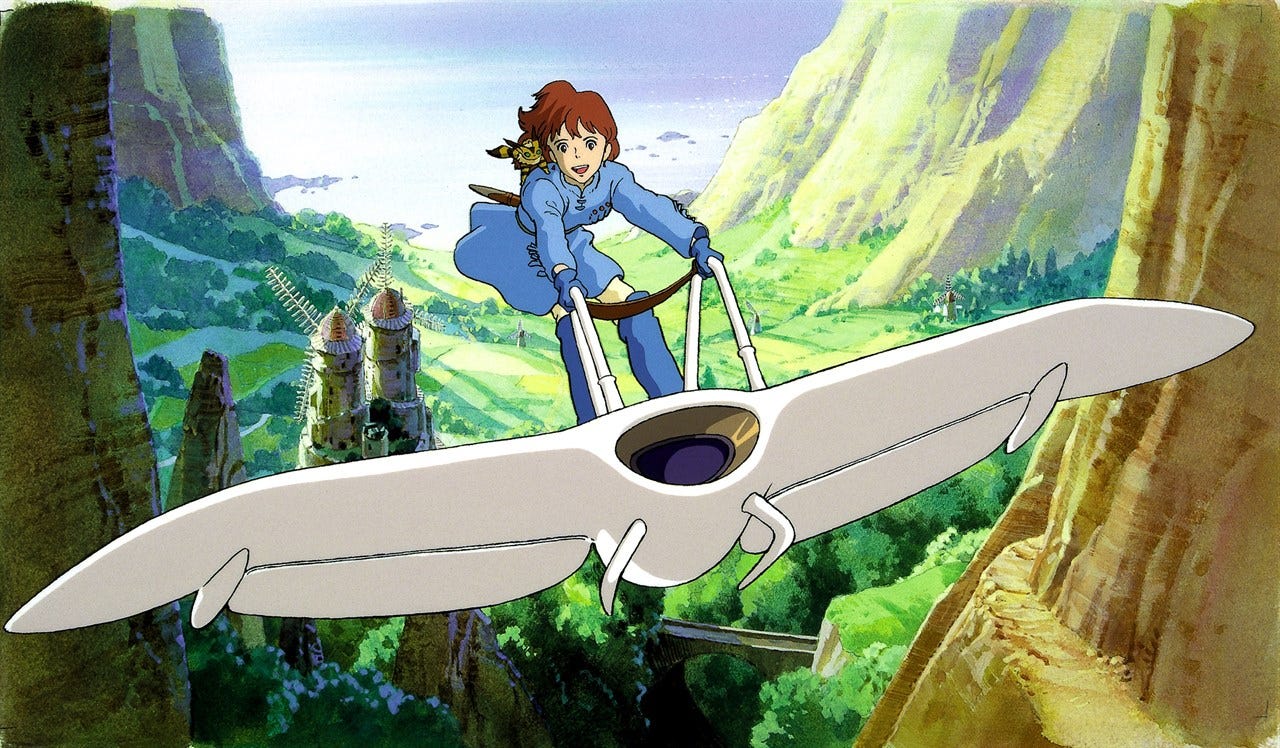
And that’s just one example. Toei Doga (Toei Animation), TCJ (Eiken), TMS Entertainment, and Osamu Tezuka’s Mushi Production all cut their teeth on American service work thereby building up the anime industry as we know it today. Eventually those anime productions would go on to regularly outsource their animation to South Korean studios. And so it goes.
The Digital Animation Era
I entered the animation industry in 2001, just as digital pipelines were beginning to take hold. After a generation of virtually no TV animators working in North America, it was a thrill to have digital tools like Flash and Maya make it cost-efficient to bring animation back in-house. Traditional shows like SpongeBob and Kim Possible still shipped overseas, but series such as Foster’s Home for Imaginary Friends and Jimmy Neutron could now be animated under one roof. This was possible because the technology boosted per-animator output, and the overseas studios didn’t yet have the technical know-how to use these emerging tools.
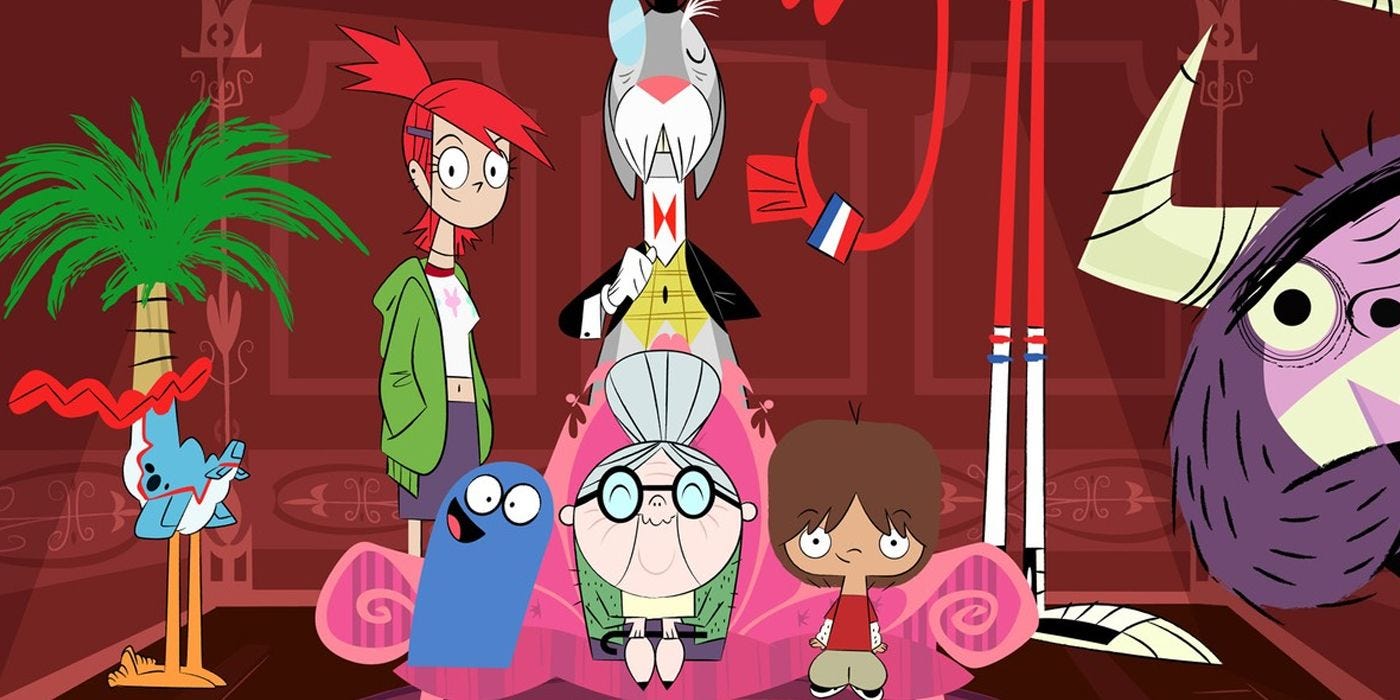
Predictably, as the global workforce mastered Flash, Harmony, Maya, and more, digital work once again followed the money, and highly capable international crews took on a growing share of the work. And so it goes, again.
Outsourcing Features
Up to this point, the story of outsourcing was largely a story about television. But by the 2010’s, a skilled global workforce and government tax incentives began eating away at the American feature film and VFX workforce as well.
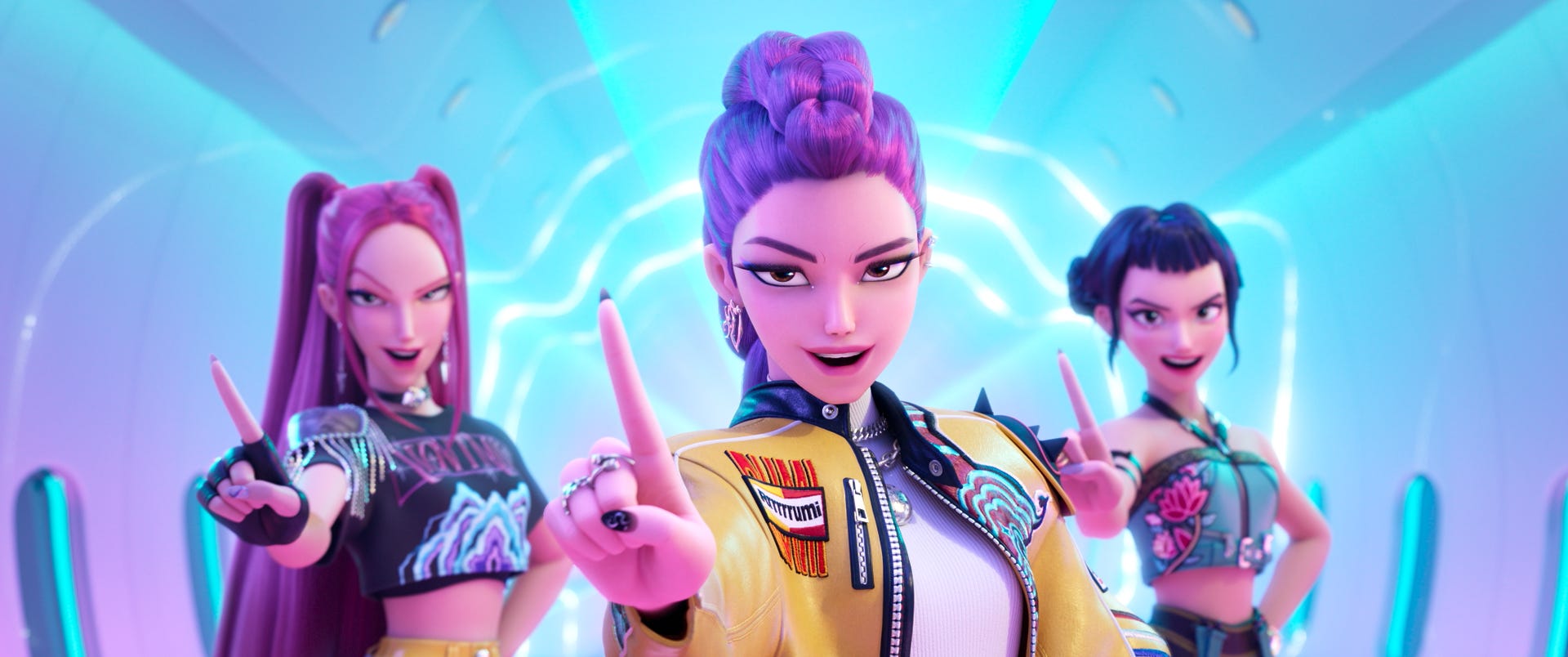
Rebates in Canada and parts of Europe effectively lowered labour costs in the same way that lower wages in South Korea and Mexico had done in the past. Despicable Me was an early example of a major Hollywood feature sending their animation outside the U.S. (to France’s Mac Guff studio). DreamWorks now regularly outsources animation, and Sony Pictures Imageworks uses a largely Canadian crew up here in Vancouver to make films like Across the Spider-Verse and K-Pop: Demon Hunters. It’s a 21st century echo of the old Rocky and Bullwinkle template: California pre-production paired with lower-cost international animation.
Our Artificial Intelligence Future
So, where does this leave us today?
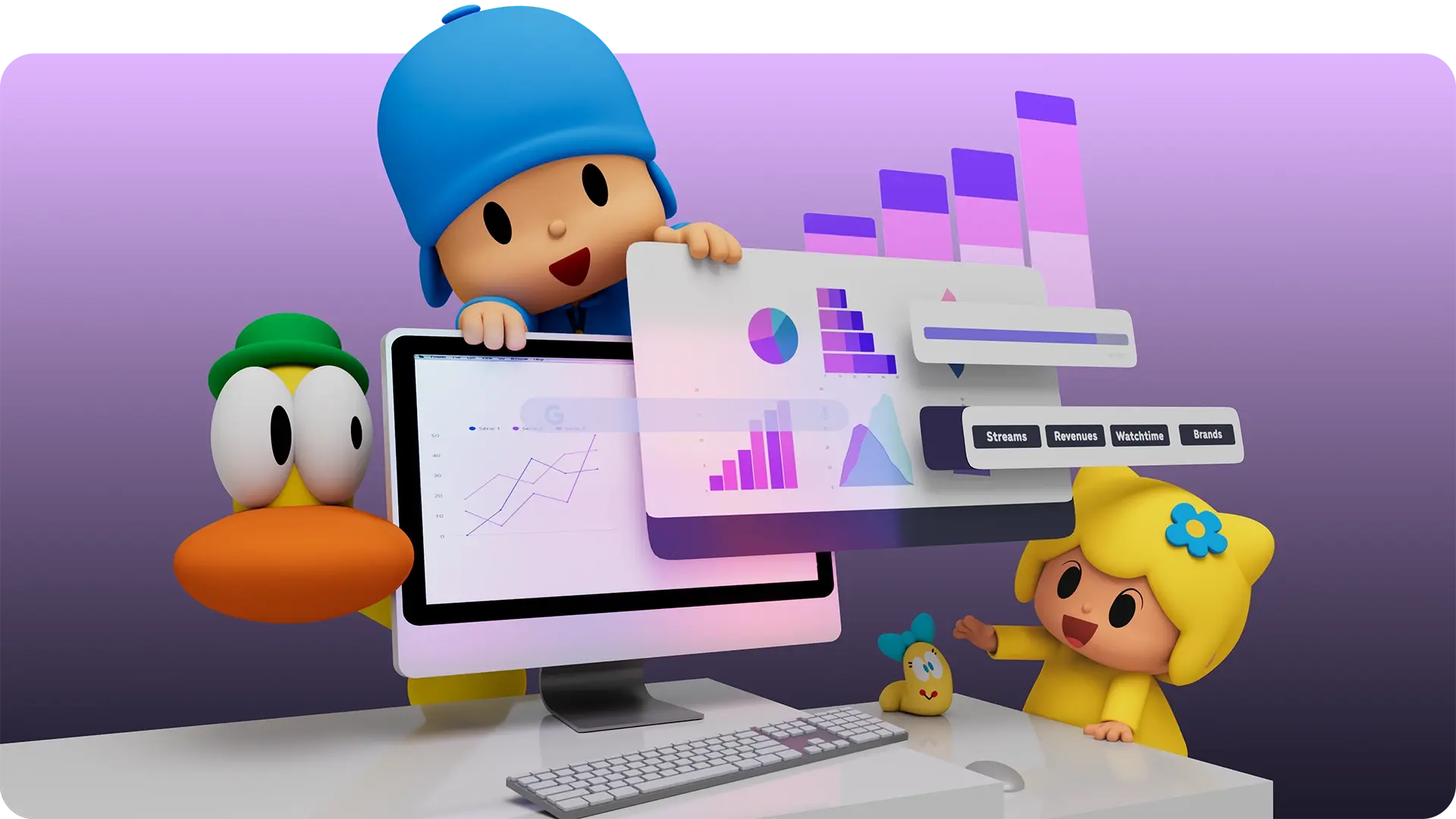
Much like how TV animation in the 50s required a new economic model, the massive content demands of YouTube and TikTok are testing the limits of budgets yet again. Some studios are already leaning on generative AI to make this happen. LA’s Toonstar has compared using AI for YouTube animation to what Hanna-Barbera did for TV animation in the 60s. In my recent interview, studio-owner Sixte de Vauplane said Animaj is turning to AI to make Pocoyo economically viable on YouTube.
Beyond economic pressures, outsourcing has already reshaped workflows such that it makes the leap to AI seem all-but inevitable.
When everyone was working in-house there was a certain looseness that could allow for more iteration and experimentation. Walt Disney had a favourite word for this: plussing. In contrast, outsourced productions tend to lock down all the decisions early on so the overseas artists are simply executing on instructions rather than inventing (thereby avoiding that wonky early Bullwinkle animation).
Make no mistake, this is not about talent. The Malaysian and Filipino animators I have worked with have been among the most passionate and creative artists I’ve ever met. But with such fierce competition between vendor studios, margins become razor-thin and there just aren’t the resources for the kind of back-and-forth needed for true collaboration. There are some examples of truly collaborative outsource productions, but it’s rare.
When creative intent is reduced to precise instructions, software can follow those instructions, too. And if you’re used to shipping boards to a distant studio and getting finished shots back, swapping the studio for a GPU doesn’t feel like much of a leap. Especially when it’s faster and cheaper.
There are obvious human consequences to all of this. Outsourcing, for all its downsides at home, helped build talent abroad. If automation displaces that work, we may lose the next great cartoon coming from somewhere unexpected. To be clear, there is no AI button available today that will turn a board into a final shot, but the technology is improving all the time. If there’s one thing the last 70 years of animation has taught us, all too often the business runs the show and we’d be smart to keep our eyes on the money.
I’d love to hear your thoughts; do you see AI as the next step in the history of animation outsourcing, or will human artistry win the day? I know what I’m rooting for.
Seeya next time,
Matt Ferg.
ps. Check out Animation Obsessive’s fantastic history of animation outsourcing here:

Besides the question of viability, there's also the issue of externalities. Right now, AI from OpenAI and Anthropic is losing large amounts of money, so nobody really knows the cost of using AI for large productions. At some point, governments and utilities are going to become aware of the power and water usage of AI, which will drive up costs. AI is being touted as a lower cost alternative to labour, but when the true cost of AI is figured in, will it actually be cost effective?
Another high level piece Matt, wonderful.